30 Day Conservation Safari in Uganda
Uganda Safari
Join this community conservation mission in the heart of Uganda. Step into the frontlines of conservation and experience the challenges and triumphs faced by communities living in proximity to protected areas.
Key information
- Group safari
- Starting and ending point: Entebbe
- English speaking guide
- All park fees are included
Highlights
- 2 game drives
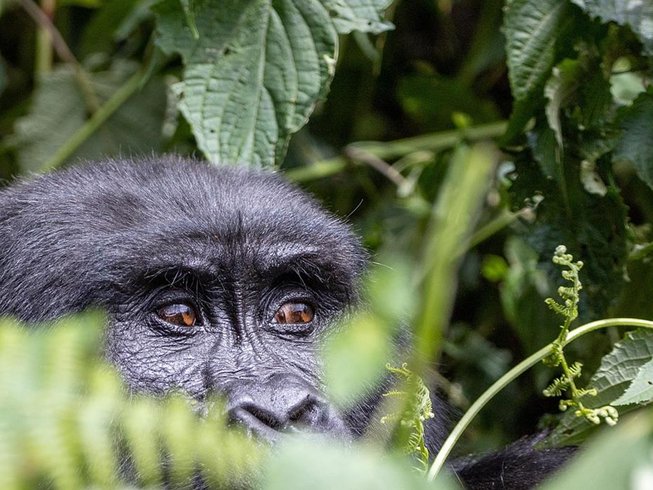
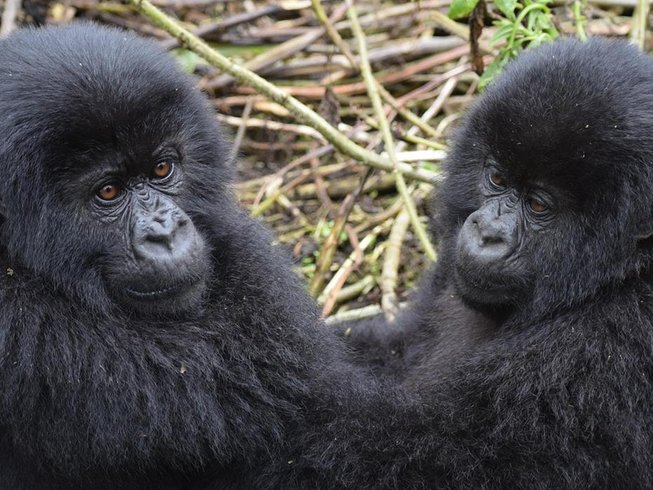
- Chances to see primates, chimps, gorillas, and monkeys
- Ride in a pop-up roof 4X4 vehicle
- Visit Queen Elizabeth National Park
- Boat ride on Kazinga Channel
- Hands-on conservation work, education, and skill-building
- 29 nights accommodation
- Daily meals
Types
29 activity days in English
Accommodation
You will stay in various accommodations during the safari.
Program
Itinerary
Day 1: Arrival and orientation at Ishasha Community Center
Life on the internship: Please note this is an example of the activities on the internship or study trip, timings and activities will change based on the needs of the project. All participants will get a chance to participate in all the activities by swapping roles and daily allocation as per available activities. Your journey begins in the heart of Uganda’s untamed wilderness as you arrive at the Ishasha Community Center, nestled near the southern border of Queen Elizabeth National Park. After settling into your accommodation, you will be welcomed with a traditional Ugandan breakfast and greeted by your friendly local team.
Today is all about getting your bearings, meeting fellow volunteers, and being introduced to the conservation mission ahead. The morning kicks off with a comprehensive orientation session where you will meet the programme coordinators, rangers, and community leaders who will be your guides and partners over the coming weeks. You will tour the center’s various projects - from sustainable farming models to the community upskilling workshops - gaining insight into the multifaceted approach that Save Wildlife Uganda takes to tackle human-wildlife conflict.
In the afternoon, you will co-create a flexible itinerary based on project needs, weather, and your interests. Equipment will be issued, safety briefings provided, and expectations set to ensure everyone is ready for the hands-on work ahead. The evening will close with a shared group dinner and an informal cultural introduction by a local storyteller. This day is all about building community and laying the foundation for impactful conservation work.
Day 2: Smart farming introduction and community engagement
Today marks the beginning of hands-on work as you dive into one of the program’s most important elements: smart farming and sustainable agriculture. The morning starts with a vibrant community gathering where you will meet local families selected to participate in the livelihood improvement initiatives. These families live in areas bordering Queen Elizabeth National Park and are often at the frontlines of human-wildlife conflict. By supporting alternative, wildlife-friendly agriculture, you help reduce pressure on protected areas and promote coexistence. You will assist in facilitating a workshop that focuses on agricultural best practices tailored to the region’s challenges, such as unpredictable rainfall and wildlife incursions.
Topics include organic pest control, composting, crop rotation, vertical farming, and soil mixture optimisation. Do not worry if you are new to farming - the team will guide you through every process, and your contribution will be valued, whether through teaching, learning, or simply helping. In the afternoon, you will take part in small group discussions with the beneficiary families to better understand their agricultural goals and past challenges. These conversations will not only shape your understanding of the social dynamics at play but also prepare you for the practical implementation of farming systems over the coming days. Prepare for early signs of transformation - both personal and environmental.
Day 3: Smart farming implementation: Phase I
With yesterday’s groundwork complete, today you will step directly into the field and begin building the smart farming systems discussed with local families. You will travel to several of the eleven communities bordering the national park, where your group will help establish environmentally conscious agricultural setups using accessible, low-cost materials – a true grassroots conservation initiative. Expect to get your hands dirty as you work alongside community members to cut poles for trellises, arrange recycled tyres for vertical gardens, fill sacks with nutrient-rich soil, and sort out seedlings. This is physical work but deeply rewarding – each task contributes to long-term resilience for families living next to wildlife habitats.
Every small garden built today means less risk of human-wildlife conflict tomorrow. You will witness firsthand how conservation and food security go hand-in-hand. These farms are not only about growing crops but also about building trust, demonstrating alternatives, and fostering environmental stewardship within communities. As you work, you will continue to build relationships with local residents, exchanging stories, sharing laughter, and seeing the power of community collaboration in action. Evening reflections at the community center will give you time to record progress and observations in your conservation journal – a useful resource for those undertaking research or academic credit during the program.
Day 4: Smart farming implementation: Phase II
Day four continues your immersion in sustainable agriculture, deepening your understanding of rural livelihoods and the role conservation plays in food production. Building on yesterday’s progress, today you will assist in expanding and refining the smart farming systems - ensuring the families now understand how to maintain and replicate the methods taught. You will begin by returning to the established plots, where you will check on the initial setup, assess the soil moisture levels, and reinforce any structural components that may need adjustments. The day also includes additional soil preparation, seed planting, and tutorial sessions on watering schedules and integrated pest management using natural repellents.
This might involve brewing organic solutions like garlic-chilli sprays or neem leaf infusions - practical, eco-friendly methods with immediate benefit. Throughout the day, you will move from site to site, helping new households join the project, supported by local agricultural advisors. These moments offer rich opportunities to build real connections and see how conservation solutions must be tailored to fit local needs. As the sun sets, the team returns to Ishasha for a well-earned rest and an informal debrief. There may be time for a cooking demo or storytelling around the fire. The sense of shared achievement grows as visible changes take root - both in gardens and in minds.
Day 5: Women in conservation and cultural skill exchange
Today, you will engage with one of the most powerful elements of the program: the Women for Conservation initiative. Based at the Ishasha Community Center, this project empowers local women through skills training, income generation, and environmental stewardship. It also provides a unique opportunity for you to gain a deeper cultural understanding of the Bakiga people, whose traditions are rooted in harmony with the natural world. You will begin by joining a group of women artisans to learn about their work in natural dye production, eco-friendly fabric design, and traditional basket weaving.
These crafts are more than artistic expressions – they are a critical income stream for women in communities facing the economic pressure of living near protected wildlife areas. You will take part in the process, learning how plant-based materials are sourced and turned into vibrant, hand-made goods ready for sale to visiting tourists. In the afternoon, you will be invited to a local cooking session using indigenous ingredients, some of which are grown on the smart farms you helped set up. Expect smoky flavours, hands-on preparation, and warm conversations. The day concludes with an optional traditional dance session, giving you insight into how conservation, culture, and celebration intersect. By day’s end, you will not only have new skills but new friendships too.
Day 6: Rest day and cultural immersion
After a physically intense and emotionally rewarding first week, today offers a chance to rest, recharge, and reflect. But rest does not mean idle - this is your opportunity to engage deeply with Ugandan culture and the rhythms of rural life. The pace will be slower today, but the experiences will remain rich and meaningful. The morning is yours to enjoy at your own pace. You may choose to sleep in, journal your experiences so far, or join an optional guided nature walk along the edges of Queen Elizabeth National Park. Birdlife is abundant, and it is not uncommon to see colobus monkeys or even elephants passing in the distance.
For those seeking something more meditative, yoga or mindfulness sessions can be arranged on-site, set against the backdrop of birdsong and savannah breeze. In the afternoon, volunteers are invited to participate in a cultural session hosted by local elders and youth. You will hear traditional folktales, proverbs, and songs that have been passed down through generations, each carrying lessons about the land and the wildlife that call it home. These stories are integral to the region’s identity, and understanding them helps deepen your connection to the mission. End the day with a relaxed group meal and look forward to the week ahead with renewed energy and purpose.
Day 7: Weekly reflection and strategic planning
As the first week draws to a close, today is all about taking stock, reflecting on your personal and group experiences, and planning the next phase of your journey. Conservation is not just about action in the field - it is also about observation, listening, and constantly learning. This day is designed to pause, process, and prepare. The morning begins with a reflective circle at the community center. You will be encouraged to share your observations from the week - both the highs and the challenges - with team leaders, fellow volunteers, and local stakeholders. These open dialogues allow you to adapt and fine-tune the project flow based on your real-time insights and the evolving needs of the communities.
Later in the day, the team will facilitate a strategy session to prepare for upcoming activities, such as school sensitisation and human-wildlife conflict mitigation. You will review your conservation journals, sketch out goals for the week ahead, and propose any personal or group initiatives - perhaps a creative awareness campaign or a new deterrent experiment. This helps ensure every volunteer feels valued and active in shaping the journey. The afternoon includes a light project, such as helping organise materials for the school visits or assisting with poster creation. In the evening, enjoy a relaxed dinner, perhaps followed by a screening of a Ugandan nature documentary under the stars.
Day 8: Wildlife education in schools: Phase I
Today, you will step into the role of educator and conservation ambassador as you begin a critical part of the program: wildlife education in local schools. Children growing up near Queen Elizabeth National Park often see wildlife not just as majestic creatures, but as threats to crops and livelihoods. Changing this perception starts with education - and that is where you come in. Your day will begin early with preparations at the community center, packing supplies like wildlife-themed posters, art materials, conservation books, and interactive games. From there, you will travel to two or three nearby schools where you will spend the day running sensitisation workshops focused on understanding local wildlife, respecting protected areas, and developing coexistence strategies.
You will work in pairs or small groups to deliver interactive sessions tailored to each age group. Activities may include storytelling, drawing competitions, puppet shows, and quizzes about tree-climbing lions, elephants, hippos, and chimpanzees. You will help the children explore the role these animals play in Uganda’s ecosystem - and the world. By the end of the school day, you will likely find you have learned just as much as you have taught. The laughter, curiosity, and creativity of the students will leave a lasting impression. Your influence may plant seeds of conservation that grow far into the future.
Day 9: Wildlife education in schools: Phase II
With the momentum from yesterday’s sessions, day nine is all about expanding the reach of the school sensitisation efforts. You will visit more remote or under-resourced schools, some of which may rarely receive educational outreach, making your presence both impactful and warmly welcomed. These schools play a vital role in shifting long-term attitudes towards wildlife, especially among the next generation of community leaders and decision-makers. Your team will split into smaller groups to maximise coverage across the region. You will take on different roles - some delivering talks, others supporting hands-on activities, or leading games that reinforce key conservation themes.
Children will continue working on their wildlife-themed drawings, which will be displayed in classrooms or sent home to encourage discussions with families. One of the day’s highlights is planting indigenous trees within the school grounds. Each child will plant a seedling and give it a name, creating a lasting bond with nature and a symbol of stewardship. You will also help officially launch or re-energise student wildlife clubs, providing resources, notebooks, and simple field guides to encourage peer learning and continued engagement. By the end of the day, you will have created not just colorful classrooms but genuine community roots in conservation thinking. The energy is uplifting and deeply inspiring.
Day 10: Habitat restoration and rewilding efforts
Today marks a transition from education to ecosystem restoration, giving you the chance to contribute directly to the rehabilitation of natural habitats. As human activity expands near Queen Elizabeth National Park, areas once rich in biodiversity are now degraded, threatening both wildlife and the livelihoods that depend on a healthy environment. Your mission is to help restore balance - one tree, one footprint at a time. You will begin with a briefing from local conservation officers who will introduce you to the day’s key goal: planting indigenous trees in vulnerable zones and monitoring existing reforestation efforts.
After loading up with seedlings and equipment, you will head out to selected planting sites - ranging from school compounds and buffer zones to areas bordering farming land and migratory paths. Your work may include digging, planting holes, laying compost, watering saplings, and setting up protective barriers to shield young trees from livestock. You will also assist in biodiversity surveys - recording signs of bird and insect life, tracking soil conditions, and noting areas for future restoration work. This is a chance to see how small, simple actions can have long-term ecological impact. By the end of the day, you will have contributed to real-world rewilding, helping to knit fragmented habitats back together and laying the groundwork for thriving ecosystems.
Day 11: Human-wildlife conflict awareness and outreach
Today’s focus returns to one of the core challenges facing conservation efforts in Queen Elizabeth National Park: human-wildlife conflict. As human settlements expand toward park boundaries, clashes between people and animals - especially elephants, lions, and bush pigs - are increasing. Crops are destroyed, homes damaged, and lives put at risk. Without education and support, these encounters often lead to retaliation and a breakdown in coexistence. Your task today is to support the awareness and outreach team as they conduct educational visits to several affected villages.
After a morning briefing, you will help prepare printed materials, translated into local languages, covering best practices for living near wildlife, safe deterrent methods, and how to report wildlife sightings without fear. You will then join small outreach groups travelling to individual households or gathering spots like trading centers. In these sessions, you will help deliver interactive demonstrations using simple props and visuals, encouraging dialogue with local families.
It is not about lecturing - it is about listening, sharing, and co-creating solutions. You will also record feedback and local stories that could shape future conservation efforts. These real, often emotional conversations offer a sobering reminder of what is at stake, but also fuel a deep sense of purpose. The goal is not just education - it is empowerment, healing, and hope.
Day 12: Creative conservation and youth engagement
Today is all about blending creativity with conservation, using art and expression to inspire a new generation of wildlife advocates. While traditional outreach is powerful, it is often the moments of joy - painting, dancing, storytelling - that leave the deepest imprint. You will spend the day working with local youth groups and schools to deliver fun, educational, and expressive conservation experiences. Your morning begins with an outdoor painting session, where you will help transform blank school walls or community buildings into vibrant murals featuring Uganda’s iconic species - tree-climbing lions, elephants, kob, and hippos. Even if you are not an artist, your contribution matters, from sketching outlines to mixing paints.
These murals serve as lasting visual reminders of pride in local biodiversity. In the afternoon, you will support student-led theatre or music workshops where young people use performance to tell stories of wildlife encounters, environmental challenges, and the importance of harmony with nature. These are powerful tools for sparking conversation both at school and at home. By the end of the day, the energy will be high, the clothes may be paint-streaked, and the memory cards full of smiles. These creative days leave behind more than colour - they leave behind confidence, pride, and a tangible connection between culture and conservation.
Day 13: Women for conservation: culture, crafts, and cuisine
Today, you will reconnect with the Women for Conservation initiative, but this time with a deeper focus on cultural heritage, community pride, and sustainable income generation through traditional skills. These women are not only artisans - they are leaders, teachers, and guardians of ancestral knowledge. Working with them offers a unique insight into how conservation and culture are intertwined. Your morning begins in the vibrant courtyard of the Ishasha Community Center, where you will assist in a hands-on session preparing natural dyes using bark, leaves, charcoal, and clay. These traditional techniques are passed down through generations and produce stunning colours used for fabric design and basket weaving.
You will be invited to join in, from boiling the dye mixtures to applying patterns on cloth and weaving simple baskets. Later, you will transition into the open-air kitchen, where you will help prepare local dishes using seasonal produce - many sourced from the smart farms you have helped establish. Expect to chop cassava, grind groundnuts, stir simmering pots, and savour the incredible aromas of home-cooked Ugandan food. The afternoon wraps with a joyful cultural exchange: dancing, singing, and drumming led by the women and youth of the community. It is a celebration of shared experience, and a reminder that conservation is not just about saving wildlife - it is about protecting the people and cultures who live alongside it.
Day 14: Cultural heritage and end-of-week reflection
As your second week draws to a close, today offers a more relaxed rhythm - but one rich with insight, reflection, and deeper cultural appreciation. It is a day designed to honour the communities who have welcomed you, while also giving space for rest and preparation ahead of the more physically demanding fieldwork to come. The morning is set aside for continued cultural learning, with a guided walk through the nearby villages where you will be introduced to local architecture, farming traditions, and everyday life in this borderland between wilderness and community. You will visit a herbalist who will share knowledge about indigenous medicinal plants still used in the region, reinforcing the interconnectedness of biodiversity and human wellbeing.
After lunch, return to the Ishasha Community Center for a reflective workshop. You will gather with your group to review what has been accomplished so far - smart farms launched, murals painted, trees planted, schools supported - and share thoughts on how the experience is shaping your views on conservation and community resilience. If time allows, you may assist in compiling a visual diary or helping the team draft a short report that contributes to Save Wildlife Uganda’s community impact updates. The evening ends with a storytelling circle around the fire, where laughter and thoughtful moments blend under the stars.
Day 15: Wildlife impact surveys in conflict zones
Today marks the beginning of a powerful new chapter in your conservation journey - field research focused on the impact of wildlife on bordering communities. Human-wildlife conflict can take many forms, but crop-raiding is among the most destructive. Elephants, baboons, and bush pigs frequently wander beyond the park's limits in search of food, devastating family farms and straining local attitudes toward conservation. You will start the morning with a training session led by Save Wildlife Uganda's field data specialists. You will learn how to document evidence of wildlife incursions, including identifying animal tracks, crop damage patterns, and household reports.
Then you will travel in small teams to different villages located along the park’s edge, where you will meet farmers who have experienced crop loss. Equipped with notebooks, GPS devices, and empathy, your job is to gather accurate data: the types of animals involved, the kinds of crops targeted, and the estimated losses. You will also listen to community members' stories - some of them heartbreaking, some hopeful - and gain a deeper appreciation of the emotional and financial toll these incidents take. This is not just about research. It is about building trust and identifying future interventions. Your work today helps shape practical solutions for tomorrow - and gives voice to those living on conservation’s frontlines.
Day 16: Conflict mitigation techniques: Traditional meets innovative
Following yesterday’s surveys, today you will turn data into action by working with local communities to implement wildlife deterrent methods - an essential part of reducing future crop damage and building peaceful coexistence. This is one of the most hands-on, practical days in the program, combining traditional knowledge with innovative, low-cost solutions tailored to the realities of life on the park’s edge. You will begin the day by revisiting households surveyed earlier, now armed with the tools and techniques needed to help. Under guidance from field technicians and community leaders, you will participate in demonstrations of elephant deterrent strategies.
These may include preparing and hanging ropes soaked in a mixture of red chilli and elephant dung - a time-tested method that creates a strong scent barrier disliked by elephants. Other methods you will help apply include constructing basic watch towers for early detection, blowing trumpet-like instruments to startle animals, and introducing beehive fences - clever barriers using bees, which elephants naturally avoid. You may also help repair or maintain elephant trenches that act as physical buffers. Throughout the day, you will engage directly with villagers, answering questions, collecting feedback, and supporting future improvements. This is conservation at its most collaborative and community-led - where human ingenuity and compassion combine to protect both lives and landscapes.
Day 17: Field deployment in multiple villages
Today takes you deeper into the practical rollout of human-wildlife conflict mitigation tools, extending your reach across several more villages along Queen Elizabeth National Park’s perimeter. By now, you have seen how effective community-led conservation can be when supported with the right tools - and today, your efforts will scale up, covering broader terrain and more diverse challenges. You will begin early, dividing into small deployment teams with set responsibilities: one team may focus on trench maintenance, another on installing deterrent ropes, while others visit homes to deliver education materials and check on the success of earlier deterrents.
With support from local leaders and Save Wildlife Uganda staff, you will cover up to five new villages, each presenting unique conditions - soil types, wildlife patterns, and community histories. The work is rugged and physical. Expect to hike across farmland, navigate muddy or uneven ground, and spend hours outside in the sun. But the impact is immediate and visible. Children come out to watch. Farmers assist you. Stories are shared. And most importantly, you are actively helping reduce tensions that have existed for generations. You will document everything along the way - photos, notes, interviews - which feeds into broader research and reports. It is a long, fulfilling day grounded in the true spirit of grassroots conservation.
Day 18: Community training and conservation knowledge exchange
Today, the focus shifts to empowerment through education - sharing practical skills and conservation knowledge with the very people who live closest to wildlife. It is a day of connection, collaboration, and grassroots resilience-building. While you have been absorbing a lot so far, today you will take the lead in delivering back - helping communities gain tools to protect their crops and co-exist peacefully with wildlife. The day begins at a village center or open-air meeting ground where several households from different communities gather. With support from Save Wildlife Uganda’s educators, you will co-lead sessions on wildlife behaviour, safe farming techniques, and simple deterrent strategies.
This might include visual demos of techniques like constructing tin-can alarms, how to manage compost to avoid attracting wildlife, and methods of securing food stores. You will also be given time to speak one-on-one with families about their own concerns and ideas. These conversations are essential - they help tailor future conservation efforts to real community needs. For volunteers interested in education or community development, today is especially rewarding. In the afternoon, you will help facilitate a knowledge exchange circle, where farmers from different villages share stories and innovations with each other. You are not just building solutions - you are building a network of custodians for conservation.
Day 19: Building long-term solutions and monitoring community impact
Today is dedicated to the long view - assessing the early results of the work you have been part of and exploring ways to ensure the impact lasts long after your departure. Sustainability is at the core of community-based conservation, and today you will help monitor the progress of deterrent installations and smart farming systems while supporting communities in identifying gaps and opportunities. Your morning will begin with visits to some of the first families you worked with on smart farming. You will assess crop growth, soil quality, and whether any adjustments are needed in watering or pest control. These return visits often turn into warm reunions, offering time to reflect on how much has already changed in just a few weeks.
Later in the day, you will help conduct follow-up surveys on the effectiveness of the wildlife deterrents installed in previous days. You will ask whether crop raids have decreased, whether repairs are needed, and whether the community feels more secure. These insights will feed into a larger data set compiled by Save Wildlife Uganda to evaluate the impact of its interventions. The day closes with a team debrief, mapping patterns, discussing what is worked well, and identifying areas for support. It is a deeply rewarding moment that underscores your role in shaping real, lasting change.
Day 20: Final implementation and community-led demonstration day
Your final day in the southern region of Queen Elizabeth National Park is a powerful culmination of everything you have been working toward. Today is about community leadership - stepping back, supporting others to take the lead, and celebrating the real, on-the-ground impact that conservation can have when it is locally owned and locally driven. The day begins with preparations for a community demonstration event, where selected families and youth groups will present the smart farms, wildlife deterrents, and awareness campaigns they have implemented with your support. These events are held in open public spaces and serve as both an inspiration for others and a recognition of the work already achieved.
You will assist with setting up the area, preparing visual displays (photos, painted signs, seedlings), and supporting presentations. Farmers may walk guests through their gardens. School wildlife clubs may perform short skits or songs. Artisans from the Women for Conservation group may showcase products made with natural dyes and sustainable materials. This celebration is not just symbolic - it reinforces local ownership of the projects and fosters pride in conservation. As a volunteer, you will witness the shift from outsider to partner, from supporter to ally. It is a day of joy, community, and vision - ending your Southern Park experience on an uplifting and hopeful note.
Day 21: Safari experience in Ishasha: Tree-climbing lions and iconic wildlife
After weeks of meaningful hands-on work, today is your chance to connect with the incredible wildlife you have been helping protect. You will spend the day exploring the Ishasha sector of Queen Elizabeth National Park - renowned not only for its stunning landscapes but also for its rare and world-famous population of tree-climbing lions. The day begins early with a hearty breakfast before setting out on a guided game drive through the savannah. You will travel in open-roof vehicles, accompanied by experienced rangers who will help you track and observe a diverse array of wildlife. Keep your eyes peeled for elephants, Uganda kob, topi, warthogs, and - if you are lucky - leopards resting in the shade or hippos basking near the riverbanks.
The highlight, of course, is the chance to spot the lions lounging in fig or acacia trees - a behaviour rarely seen elsewhere in Africa. Witnessing these majestic creatures above ground is both surreal and unforgettable. Midday includes a scenic picnic in a safe viewing zone, where you can relax and reflect on how your efforts contribute to preserving this ecosystem. In the afternoon, you may join a guided bushwalk to learn about animal tracks, plant medicine, and the finer details of the savannah. The experience reconnects you with the why behind the work - leaving you awed, inspired, and deeply moved.
Day 22: Scenic transfer through the park: From Ishasha to Kasenyi
Today offers both a physical and symbolic transition as you journey from the southern Ishasha sector to the northern reaches of Queen Elizabeth National Park - home to sweeping plains, crater lakes, and fishing communities deeply entwined with the ecosystem. It is a full-day immersive experience through one of the most biodiverse landscapes in East Africa. The journey itself is far more than just a transfer. As you move through the park, you will pass through distinct ecological zones - lush riverbanks, open grasslands, crater-dotted valleys - each teeming with unique flora and fauna. En route, you will have chances to stop for wildlife viewing, spotting everything from buffalo herds and elephants to waterbucks, monitor lizards, and abundant birdlife.
Keep your binoculars and cameras ready - the scenery changes constantly. Along the way, your guides will explain the evolving challenges each region faces - from fishing pressure along the Kazinga Channel to encroachment near salt mining communities. You will stop for lunch in a scenic area before continuing to your new base near the Kasenyi Plains, one of the best places in Uganda for spotting big cats like lions and leopards. In the evening, you will settle into your new surroundings and prepare for tomorrow’s work in predator deterrent installation. The shift in landscape mirrors the program’s evolution - new terrain, new challenges, and new opportunities to protect and preserve.
Day 23: Predator deterrent installations in fishing villages
Today, you will contribute to a cutting-edge conservation solution: the installation of predator deterrent lighting systems in fishing villages near the northern sector of Queen Elizabeth National Park. These lights are a game-changing innovation for communities living at the edge of wilderness - where encounters with nocturnal predators like lions and hyenas can have devastating consequences for both people and livestock. After breakfast, you will head out with the team to visit three key villages - Kasenyi, Hamukungu, and Kahendero - each nestled along the shores of Lake George or the Kazinga Channel. These areas are rich in wildlife but face daily tensions due to livestock predation and the movement of big cats through fishing camps.
Working alongside community members, you will assist in positioning and installing solar-powered lights at livestock enclosures, community paths, and homestead perimeters. These lights flash intermittently at night, disorienting and discouraging predators without harming them. You will also engage with local families and fishers to explain how the system works and help train a few local stewards to maintain it going forward. As the sun sets, you will witness the first lights come to life - glowing beacons of safety, coexistence, and hope. It is a moving sight that reflects the larger purpose of the program: to bridge ancient conflicts with modern solutions rooted in partnership and respect.
Day 24: Salt mining traditions and boat safari on the Kazinga Channel
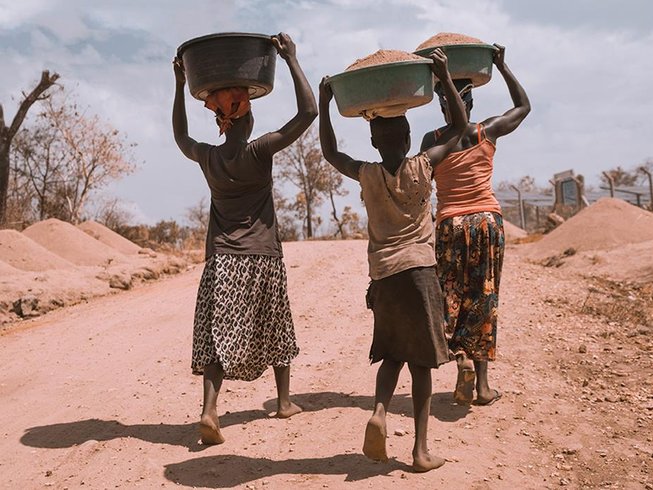
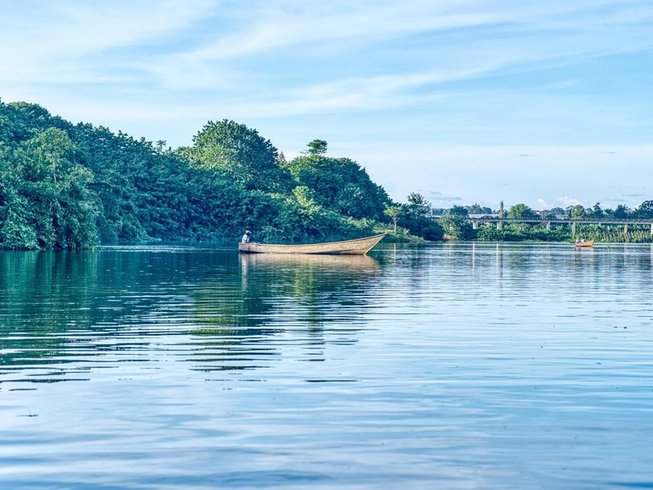
Today is a truly unique blend of cultural heritage, conservation insight, and unforgettable wildlife encounters. You will begin by exploring the traditional salt mining practices of Lake Katwe, followed by a breathtaking boat safari along the Kazinga Channel - a wildlife-rich waterway connecting Lake Edward and Lake George. In the morning, you will journey to Lake Katwe, a surreal, mineral-laden landscape known for its centuries-old salt extraction methods. You will walk alongside local salt miners and learn how shallow, man-made ponds are used to collect salt crystals under the hot sun.
It is hard, painstaking work passed down through generations, and your visit directly supports these communities by raising awareness of their trade and its connection to conservation - salt mining here coexists with the nearby park ecosystem, and protecting the lake means protecting their livelihoods. After lunch, the second half of the day takes you to the Kazinga Channel for an afternoon boat cruise that brings you face-to-face with some of Uganda’s most iconic wildlife.
Expect to see hundreds of hippos lazing in the water, crocodiles sunning themselves on muddy banks, elephants drinking at the shoreline, and an astounding variety of birdlife - kingfishers, fish eagles, pelicans, and storks. As the sun dips low over the channel, casting golden light on the savannah, you will experience a moment of pure awe. This is conservation in its purest form - wild, majestic, and utterly unforgettable.
Day 25: Chimpanzee trekking in Kyambura or gorilla tracking in Bwindi
Today offers a rare and life-changing opportunity to experience Uganda’s most famous primates in the wild - either through a chimpanzee trek in the Kyambura Gorge or an optional gorilla tracking expedition in Bwindi Impenetrable National Park. This is not just a day of wildlife viewing - it is a deeply emotional and immersive encounter with some of your planet’s most intelligent and endangered species.
Option A: Chimpanzee trek in Kyambura Gorge Nicknamed the “Valley of Apes,” Kyambura is a lush forested ravine carved through the savannah, rich in biodiversity and mystery. You will be led by expert trackers who will guide you through dense foliage, past towering fig trees and jungle vines, as you follow the calls, movement, and nesting signs of one of the last surviving chimpanzee communities in the area. You will learn about chimp behaviour, social dynamics, threats to their survival, and the forest’s vital role in protecting the watershed.
Option B: Gorilla tracking in Bwindi (Permit Required) For those opting into this experience, prepare for a full-day trek through misty, mountainous rainforest in search of mountain gorillas - one of the rarest and most awe-inspiring animals on Earth. The hike is challenging, but the moment you lock eyes with a silverback or watch a baby gorilla play in the undergrowth, it becomes unforgettable. Regardless of your choice, the day will leave you transformed, reminded of how close - and fragile - the connection is between you and the wild.
Day 26: Final reflections, celebration, and community dinner
As your time in Uganda draws to a close, today is dedicated to reflection, recognition, and meaningful connection. It is a day to honour everything you have experienced, the bonds you have built, and the difference you have helped make - both in the landscape and in the hearts of the communities you have walked alongside. The morning begins with a quiet moment for personal reflection. You might journal, revisit your field notes, or take a final walk around the community center or park boundary. This pause offers space to process the scale of what you have achieved: from smart farms to predator deterrents, school murals to wildlife surveys.
By midday, you will gather with your fellow volunteers and the Save Wildlife Uganda team for a final group workshop. You will share your thoughts, findings, and recommendations - insights that may feed into future planning. Certificates of participation will be awarded, and if you have conducted research or community interviews, you will have the chance to present your findings. In the evening, the celebration begins. A few local community members and project leads will join you for a farewell dinner at Ishasha Community Center. Expect delicious food, warm speeches, drumming, and dancing under the stars. It is not just a goodbye - it is a moment of shared pride, unity, and purpose.
Day 27: Wildlife farewell and reflection day
As your final days approach, today offers a chance to reconnect with the wildlife you have helped protect and reflect on your journey. You will enjoy a final game drive or nature walk, guided by local rangers, revisiting favourite spots and witnessing one last sunrise over the savannah. This is a day to soak it all in - no fieldwork, just presence, observation, and appreciation. After returning to the community center, the afternoon is spent completing any remaining journal entries or reports, sharing stories and photographs with your fellow volunteers.
You will begin preparing a short reflection or visual presentation for the closing gathering. In the evening, enjoy a relaxed group dinner under the stars. The team may surprise you with music, storytelling, or a slideshow of your month’s work. It is a soft farewell to the wildlife - and a celebration of your personal growth and group achievement.
Day 28: Community celebration and final presentations
Today is all about honouring your efforts and the people who supported your journey. The day starts with a community-led event at the Ishasha Community Center. You will join staff, local leaders, women’s groups, schoolchildren, and partner families in a celebration of shared achievement. You and your team will present highlights from your time here - whether data you helped collect, farms you helped build, or murals you helped paint.
In return, expect heartfelt thanks, traditional dance performances, and maybe a few tears. It is a reminder that conservation is not just about ecosystems - it is about people, too. The evening features a special farewell dinner, where certificates of participation are awarded, and personal speeches or messages may be shared. It is a powerful closing moment that recognises your impact and the bonds you have built.
Day 29: Optional excursion or rest day
With the core program now complete, this day gives you space - whether you want to explore more of Uganda or simply rest before your journey home.
Option A: Local excursions
Choose from additional guided activities, such as:
- A visit to Ngamba Island Chimpanzee Sanctuary
- A cultural tour of Kampala (craft markets, museums, and historical landmarks)
- A short hike or nature retreat in a nearby reserve
Option B: Rest and recharge
Prefer a slower pace? Enjoy a peaceful day journaling, walking local trails, catching up with fellow volunteers, or taking time to reflect on your journey. The team is available to help with souvenir shopping, packing, or travel arrangements.
Day 30: Departure and the journey home
Your final day begins with an early breakfast and a heartfelt goodbye to the people and place that have become your second home. Save Wildlife Uganda’s team will assist with transfers to Entebbe or other onward destinations, ensuring a smooth and supportive departure. The drive back offers time for quiet reflection - on the communities you have worked with, the wildlife you have helped protect, and the mindset shifts you will carry home.
For some, it is farewell. For others, the start of a new path in conservation, activism, or global stewardship. You will not leave empty-handed - you leave with memories, wisdom, lifelong friendships, and the knowledge that you made a real difference. From the heart of the Pearl of Africa, thank you. The journey does not end here. It evolves - with you.
About the safari
Through this immersive community wildlife conservation program, you will play an active role in gathering critical data and implementing sustainable livelihood initiatives designed to bridge the gap between local communities and the wildlife they live alongside, both inside and around Queen Elizabeth National Park. Welcome to the Pearl of Africa, a land of breathtaking contrasts from misty mountains and vast freshwater lakes to tropical rainforests, open savannahs, and semi-arid plains teeming with wildlife. You are invited to be part of a vital mission: protecting Uganda's extraordinary biodiversity, including the rare and iconic tree-climbing lions of the Ishasha sector. Human-wildlife coexistence in this region is both a blessing and a challenge.
As human settlements expand into traditional wildlife corridors, conflicts arise, leading to crop damage, property loss, and, tragically, harm to both people and animals. At Save Wildlife Uganda, your mission is to reduce this tension through community-based conservation, education, and innovative conflict resolution. As a volunteer, you will work alongside the passionate team across multiple sectors of the park. Your days may involve everything from installing predator deterrent systems and supporting smart farming initiatives to engaging with schools, conducting field research, and helping communities generate income through eco-tourism and artisan crafts.
Expect muddy boots, long days, and unforgettable wildlife encounters. You are not just changing systems, you are changing mindsets. By addressing the root causes of human-wildlife conflict and investing in local resilience, the work promotes long-term harmony between people and nature. Whether you are looking to gain hands-on conservation experience, contribute meaningfully to global biodiversity protection, or develop your career in the environmental sector, the program offers a unique and rewarding opportunity. You are invited to join and help create a future where communities and wildlife thrive together.
Location
The safari will take place in Uganda.

Food
You will be served daily meals, refillable drinking water, and tea and coffee station included in the price. All meals are vegan and vegetarian, freshly prepared every day.
The following meals are included:
- Breakfast
- Lunch
- Dinner
- Drinks
The following drinks are included:
- Water
- Coffee
- Tea
The following dietary requirement(s) are served and/or catered for:
- Vegetarian
- Vegan
What's included
- Daily game drives
- 29 nights accommodation
- All meals
- Gorilla and Kyambura chimpanzee tracking permits per person
- All transportation during the field work
- Airport pick-up and drop-off
- Cooking facilities
- Electricity
- Local shops and nearby medical center
- Refillable drinking water
- Cold shower and Western toilet
- Electric fans, mosquito nets, pillows, and clean bed-sheets
- Tea and coffee station
- Mobile phone coverage
What's not included
- Airfare
- Visa
- Shop purchases
- Gratuity
- Travel insurance
- Optional excursions
How to get there
Recommended Airports
Transfer included
Entebbe International Airport
278 km away from your destination
Cancellation Policy
- A reservation requires a deposit of 14% of the total price.
- The deposit is non-refundable, if the booking is cancelled.
- The rest of the payment should be paid 30 days before arrival.

Reviews
No reviews yet
For this organizer you can guarantee your booking through BookAllSafaris.com. All major credit cards supported.